

John Henry2024-06-26T10:56:14+00:00
In the ever-changing landscape of housing trends, one concept has been gaining significant traction – co-living spaces. Gone are the days when renting meant a solitary experience in a nondescript apartment. Today, a new wave of communal living is reshaping the way individuals approach rental housing.
The Genesis of Co-Living Spaces
The roots of co-living can be traced back to the communal living experiments of the 1960s and 70s. However, the contemporary resurgence of co-living can be attributed to the intersection of several societal factors. Rising housing costs, changing work dynamics, and a cultural shift towards valuing experiences over possessions have all contributed to the growing popularity of co-living spaces.
Defining Co-Living
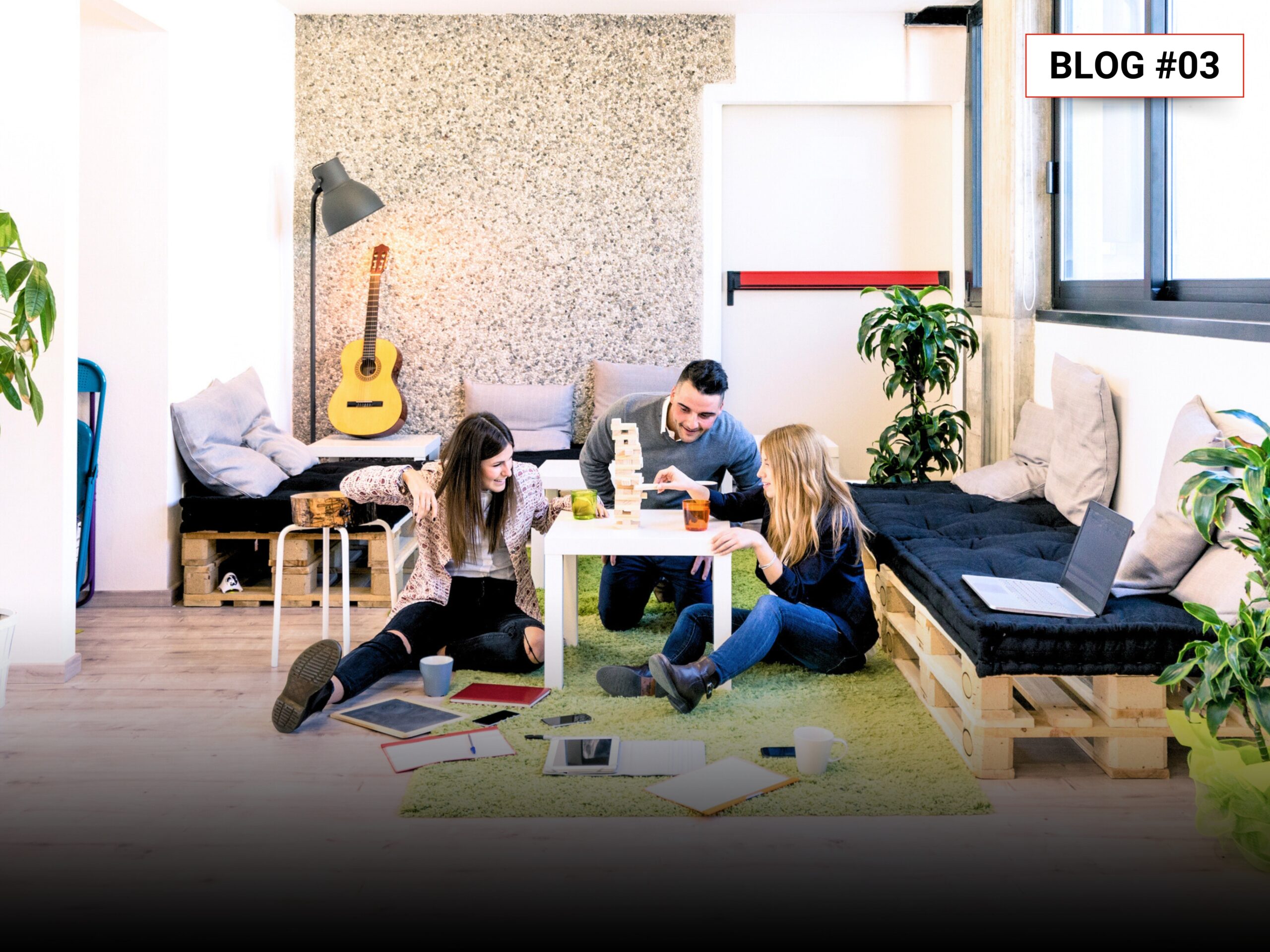
Co-living spaces are not merely shared apartments; they represent a lifestyle choice characterized by communal living, shared responsibilities, and a sense of community. Unlike traditional rentals, co-living emphasizes creating a shared experience where residents actively engage with one another, fostering a sense of belonging.
The Core Elements of Co-Living
1. Community-Centric Design:
Co-living spaces are meticulously designed to encourage social interaction. From shared living areas to communal kitchens, the architecture of these spaces is curated to facilitate a sense of community.
2. Flexibility and Convenience:
Co-living recognizes the fluidity of modern lifestyles. Residents often benefit from flexible lease terms, allowing them to adapt to changing circumstances without the constraints of a traditional long-term lease.
3. Shared Resources:
The sharing economy extends beyond just living spaces; co-living residents share resources like utilities, Wi-Fi, and sometimes even household items. This not only reduces individual costs but also promotes sustainability.
4. Curation of Experiences:
Co-living operators often curate experiences for residents, organizing events, workshops, and social gatherings. This deliberate effort to foster a sense of community sets co-living apart as a lifestyle rather than a mere accommodation choice.
The Benefits of Co-Living
1. Cost-Efficiency:
Sharing living expenses significantly reduces the financial burden on individuals. Co-living allows residents to enjoy the perks of well-designed spaces and community living without the hefty price tag.
2. Community Support:
The communal nature of co-living creates a support system. From shared responsibilities to emotional support, residents often find a network of like-minded individuals, especially valuable in a fast-paced urban environment.
3. Work-Life Integration:
Many co-living spaces strategically integrate co-working spaces, recognizing the changing nature of work. This seamless transition between living and working spaces appeals to a generation that values flexibility.
4. Reduced Environmental Impact:
The emphasis on sharing resources aligns co-living with eco-conscious living. By reducing individual consumption, co-living contributes to a smaller environmental footprint.
Challenges and Criticisms
While co-living spaces offer a host of benefits, they are not without challenges. Critics argue that the curated experiences may feel forced, and the lack of privacy can be a deterrent. Striking the right balance between community engagement and personal space remains a constant challenge for co-living operators.
1. The Future of Co-Living
As the demand for co-living spaces continues to rise, the industry is evolving. From niche co-living communities catering to specific demographics to the integration of advanced technologies, the future of co-living holds exciting possibilities.
Conclusion
The evolution of co-living spaces represents a significant paradigm shift in the landscape of rental living. As urban populations continue to grow and lifestyles evolve, the demand for flexible, community-driven living arrangements has surged. Co-living spaces offer a holistic solution that blends affordability, convenience, and social connectivity, catering to the needs and preferences of modern renters. Let us recognize and celebrate the visionaries like Team Raj and Rahul Jaggi who continue to drive positive change and elevate the standard of living for communities worldwide. Join us in embracing the evolution of co-living spaces and experiencing the transformative power of shared living at its finest.

Leave a Reply